

Kara’s Story

Kara’s Story
Learn How She Got Here

Childhood
Wanting to Teach Before Knowing How to Learn
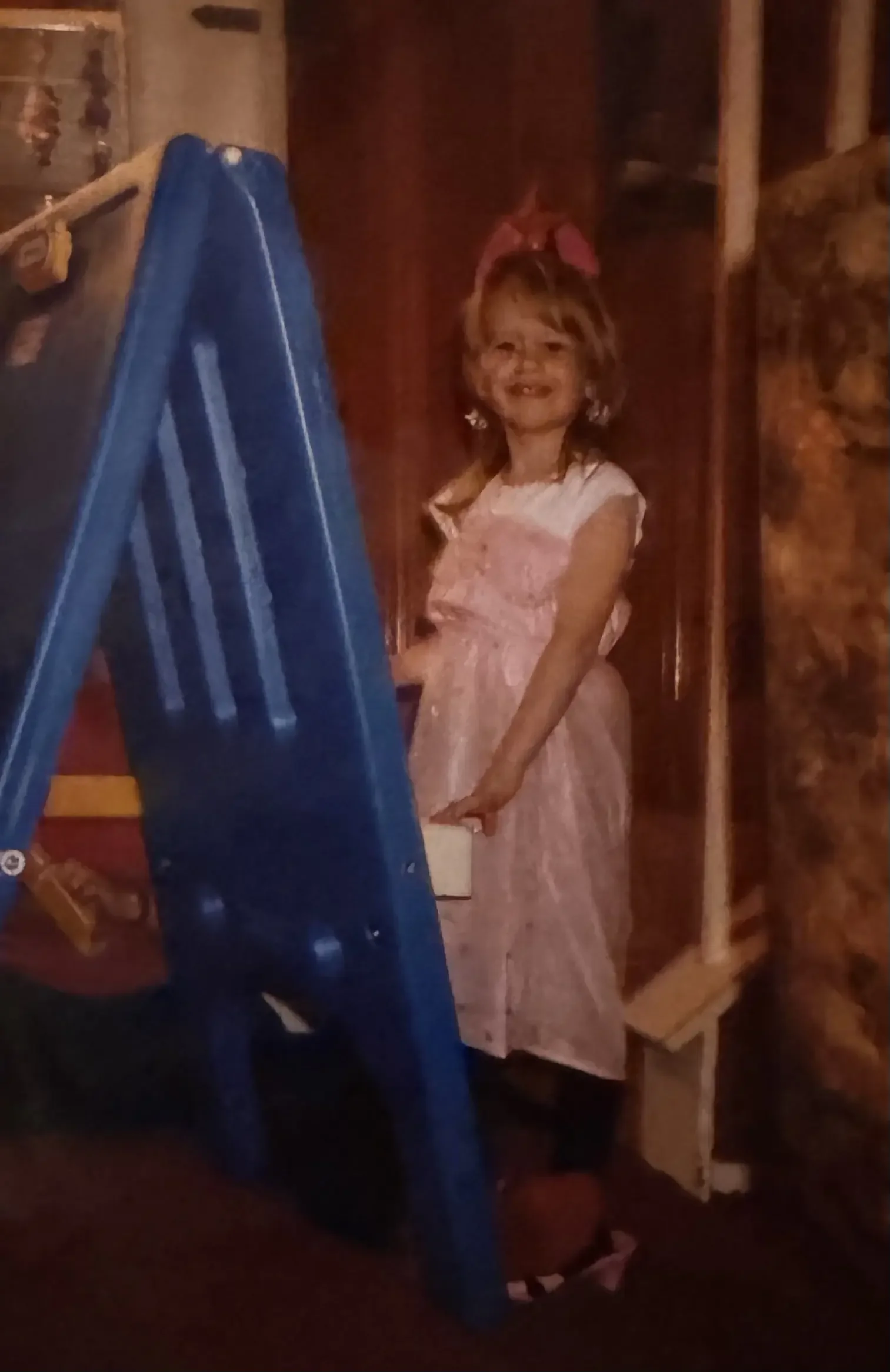
Kara Ball has always wanted to be a teacher—even when school itself felt like a place she didn’t quite belong. Diagnosed with dyslexia in third grade and dyscalculia in middle school, she loved learning but often experienced school through anxiety and self-doubt, struggling to understand why tasks that seemed easy for others felt so hard for her. Inspired by her grandmother and surrounded by educators in her family, Kara knew by second grade that teaching was her future. She ran a “pretend school” at home on weekends, rescued discarded worksheets from recycling bins, and taught her siblings with chalkboards, stamps, and gold star stickers. Long before she had language for learning differences or inclusive design, she was already discovering confidence through teaching.
Middle & High School
Trajectory Changers
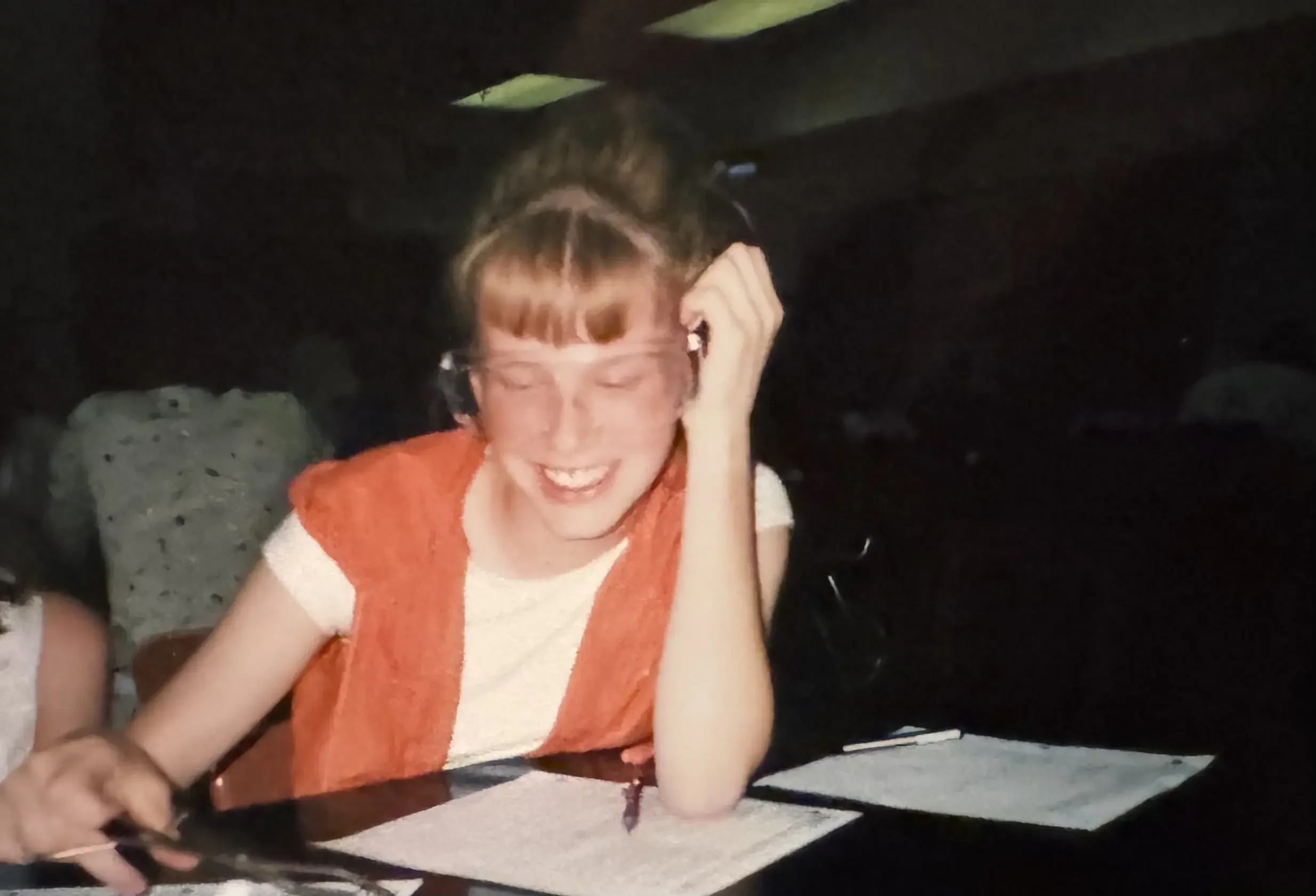
Middle school brought disruption when Kara’s father was diagnosed with leukemia, shifting her family’s focus to survival and care. Academically, she remained tracked into remedial courses—until an eighth-grade science teacher recognized her deep curiosity and love of science. Through advocacy and access, Kara was placed into honors science in high school, where she thrived, later enrolling in honors and AP social studies. For the first time, she experienced academic success not because she had changed, but because someone believed she could. That belief mattered deeply, especially when it was tested by a teacher who publicly told her she was “stupid” and would never amount to anything. Instead of dropping out of school, Kara decided to become a special education teacher and work to change the systems that too often failed students like her.
College
Finding Belonging & Recognition
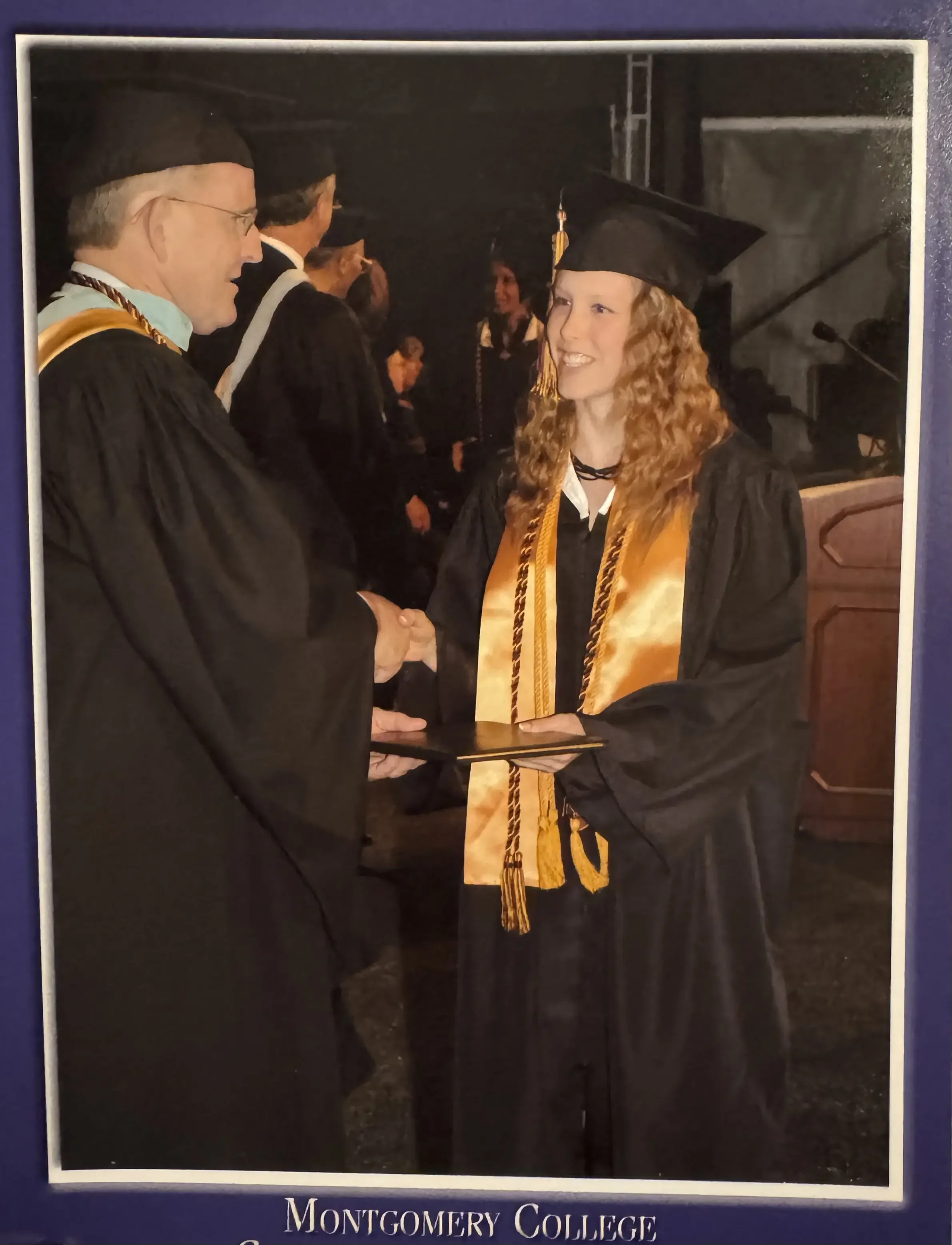
College was not a straight path, but it was a clarifying one. After briefly attending a four-year university, Kara strategically transferred to Montgomery College (Community college), where she found mentorship, belonging, and purpose in special education. There, she was recognized as the most outstanding student teacher in her program—her first formal academic award. She later transferred to Towson University, where she graduated summa cum laude with dual certification in special and general education. Kara began her teaching career in the same elementary school where she had once been a student teacher, grounding her work in relationships, inclusion, and hands-on learning.
Early Career
Coming Full Circle
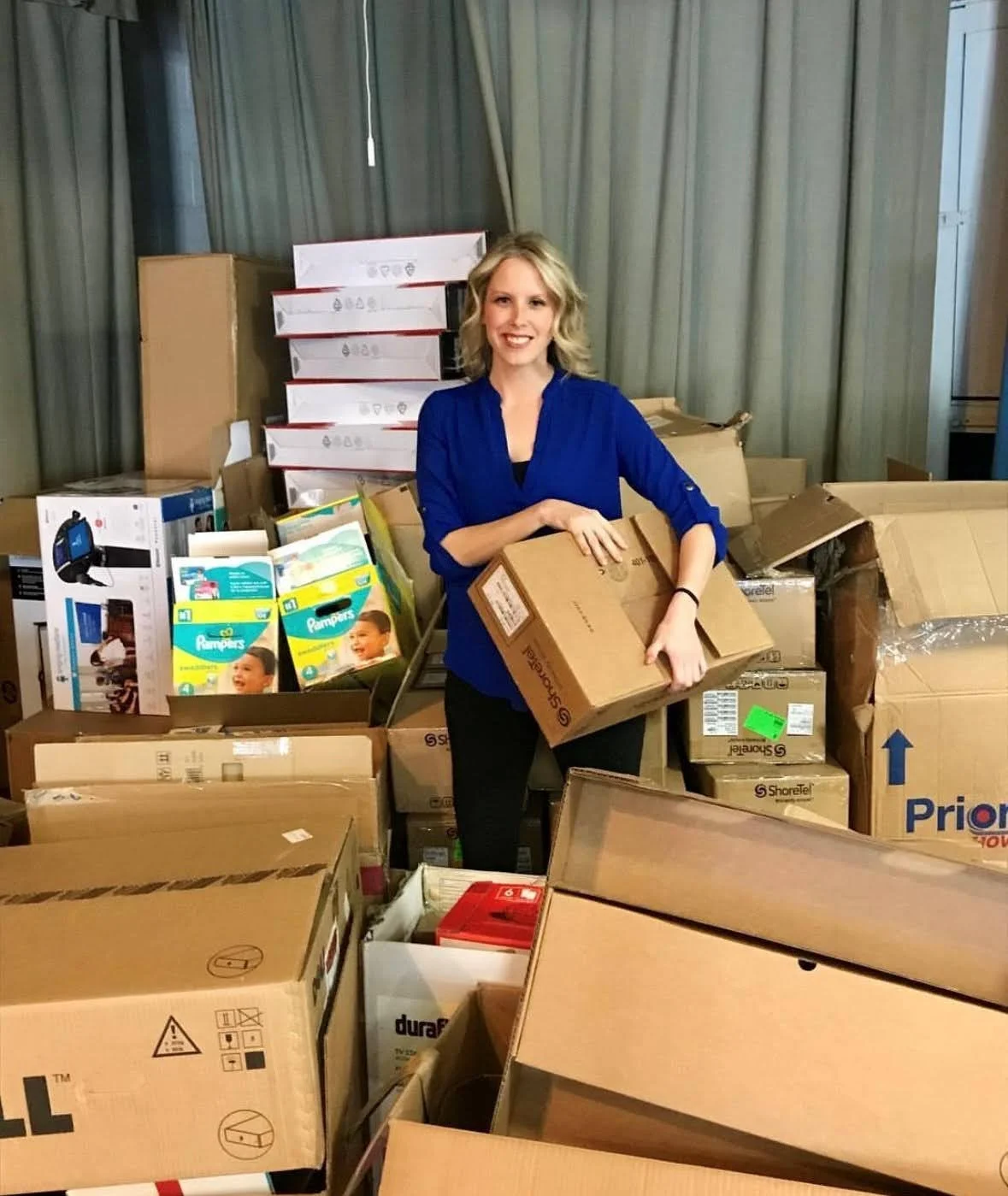
Kara returned to Montgomery County Public Schools as a teacher, entering the same district where she had once been a struggling student. In her first year, she was nominated for a teaching award, for which she was not yet eligible. Four years later, she won it. This pattern, early promise followed by sustained impact, would become a defining feature of her career. Her classroom work emphasized inquiry, accessibility, and student-centered learning, earning her recognition for both her instructional skill and her advocacy.
DoDEA
Designing Opportunity at Scale
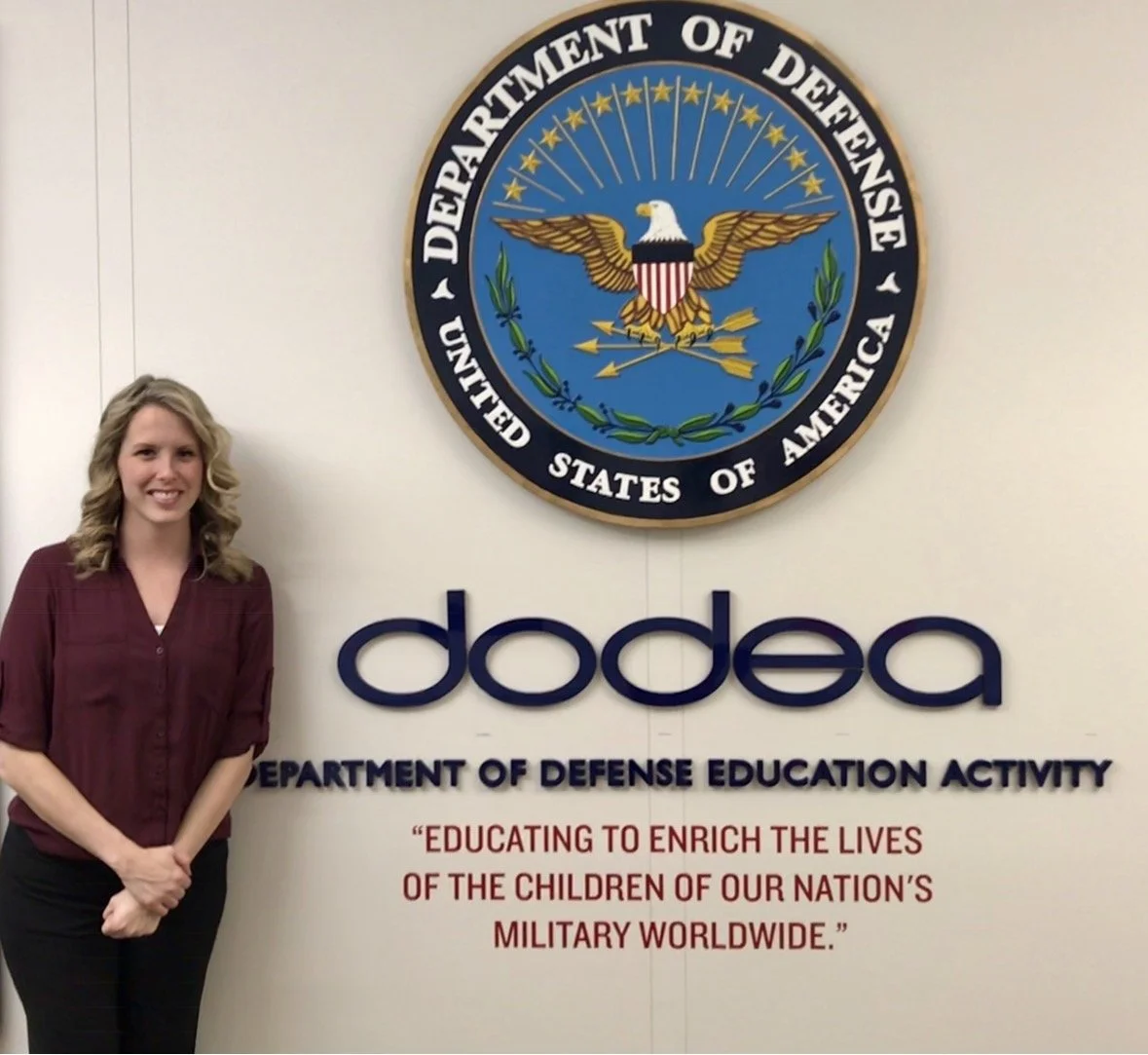
After five years in Montgomery County, Kara joined the Department of Defense Education Activity, where she was given the opportunity to design a K–5 STEM program from the ground up. Centered on curiosity and access, the program gained national attention and led to multiple honors, including being named the 2018 Mid-Atlantic District Teacher of the Year, the 2018 DoDEA State Teacher of the Year, and 1 of 4 finalists for National Teacher of the Year. The recognition expanded her work beyond a single classroom, positioning her as a national voice for inclusive STEM education.
Baltimore City
Leadership in a Time of Crisis
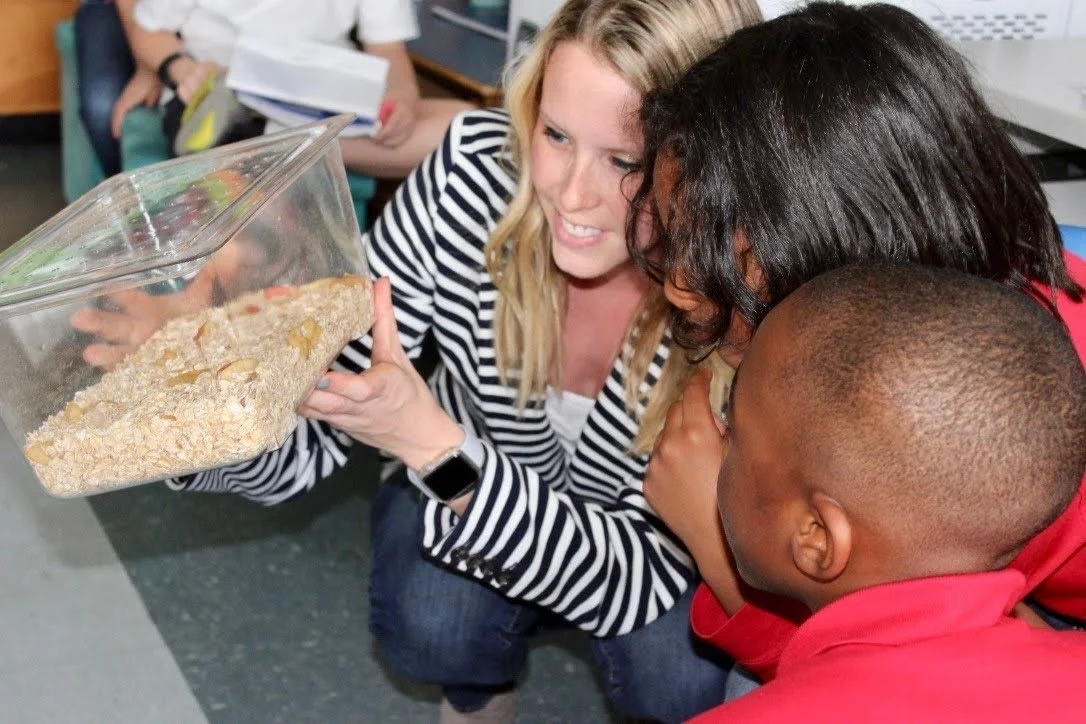
Seeking to return to Maryland during her mother’s terminal illness, Kara accepted a role as an education specialist for Baltimore City Public Schools, overseeing elementary STEM education in partnership with Johns Hopkins University. When COVID-19 reshaped education overnight, her work shifted from curriculum design to hands-on support, mentoring teachers, covering classrooms, and helping schools navigate unprecedented disruption. This period sharpened her focus on systems-level change and the realities educators face in moments of crisis.
Teacher Created Materials
National Impact
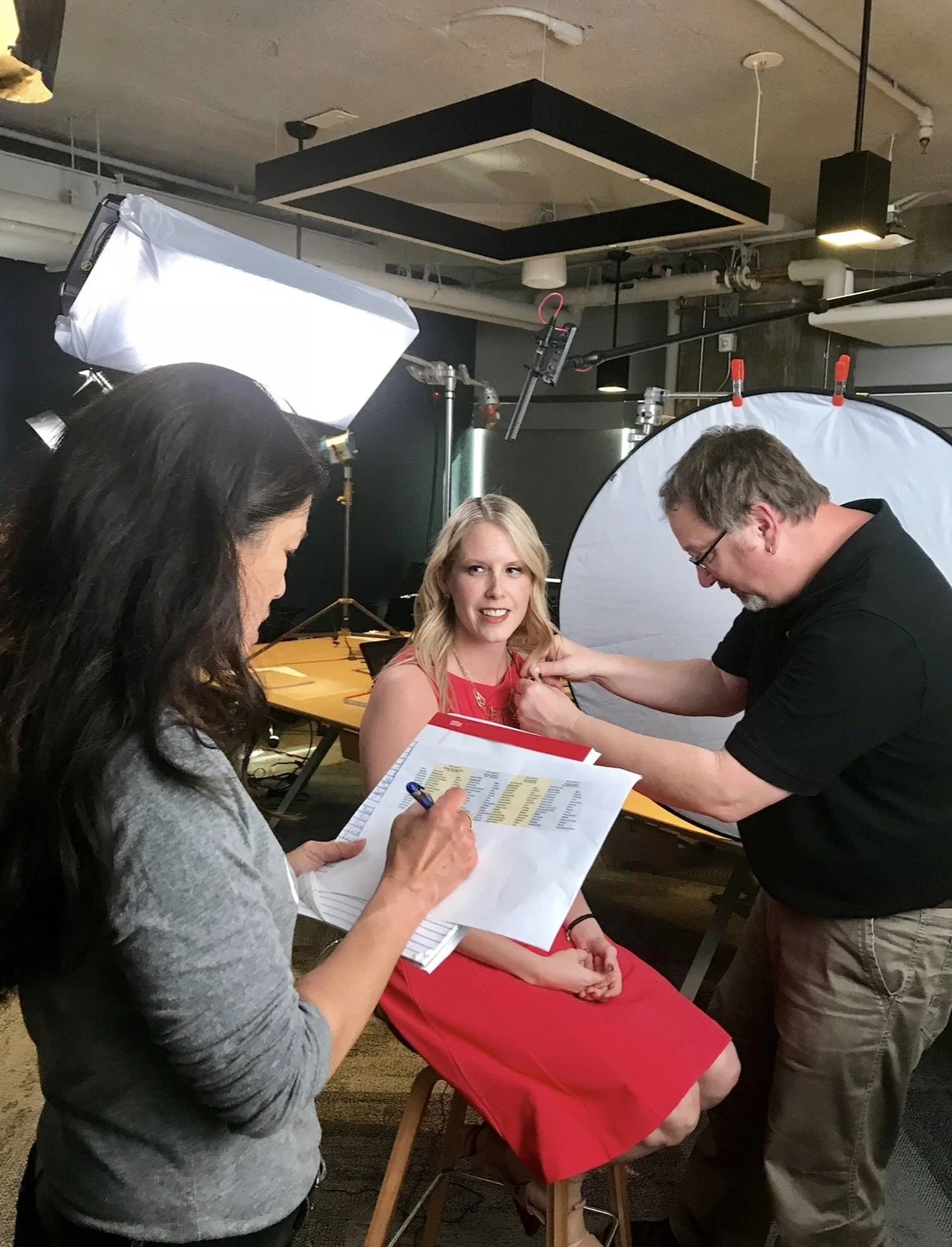
Kara is the author of 50 Strategies for Teaching STEAM Skills and currently serves as an Academic Officer at Teacher Created Materials, specializing in STEM, science, and social studies. In this role, she partners with districts across the country to provide coaching and professional learning grounded in inquiry-based instruction, differentiation, and inclusive classroom design. She leads national edWeb webinars, presents at conferences including ESEA and NSTA, and works directly with educators to translate research into meaningful classroom practice. Her work bridges research, practice, and professional learning at scale.

Today & Forward
Research, Teaching, and Advocacy
Today, Kara is completing her PhD researching gender inequity in STEM and how early, layered learning experiences build a resilient STEM identity. She is also a professor of education, preparing future teachers to design inclusive science and social studies classrooms. In 2025, she was recognized as a recipient of the Bezos Courage & Civility Award and directed $5 million to Understood For All to continue supporting individuals with learning and thinking differences. Across every role—as an academic officer, author, researcher, professor, and advocate—Kara remains guided by the same belief: when learners are seen early, supported often, and challenged meaningfully, they carry that confidence forward for life.
Contact Kara
If you have interview requests, suggestions, comments, or questions, please fill out the form below.